

Malnutrition, driven by the lack of access to adequate food, compromises immune systems and makes children far more vulnerable to common infections.
The UN children’s fund, UNICEF, said on Tuesday that children under two currently account for 83 per cent of severe acute malnutrition cases.
Hospitals overwhelmed
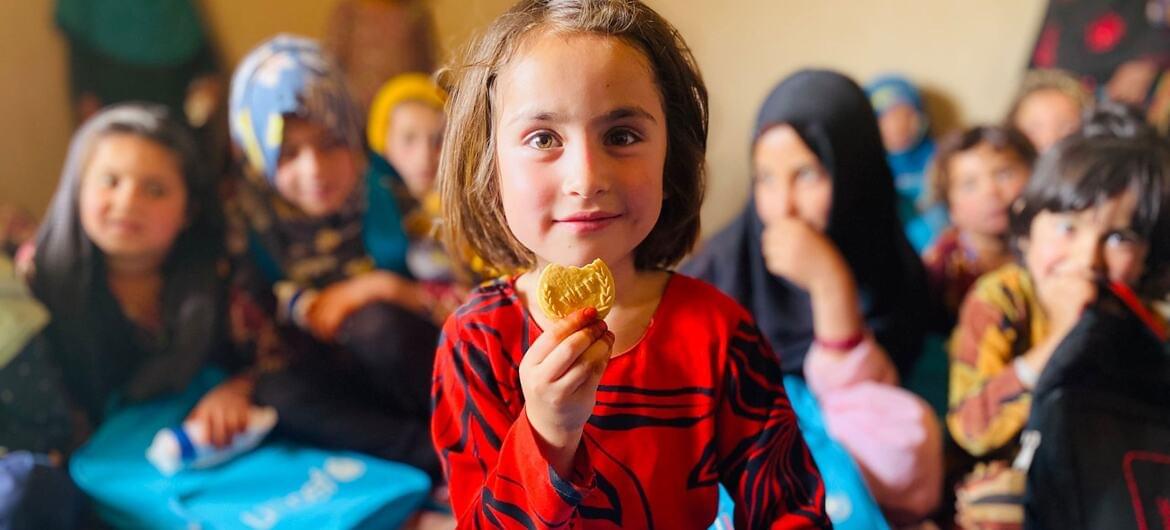
Hospitals are overwhelmed by increasing demand, UNICEF has warned.In parts of southern Afghanistan, hospitals are seeing three to four severely malnourished children for every available bed.Severe acute malnutrition cases which were admitted with medical complications have risen by one-third from the same time last year – from 6,000 in July 2025 to 8,000 by July 2026.
Overlapping crises
The spike in malnutrition cases is caused by a mix of environmental and political factors.Afghanistan has endured successive years of drought, followed by destructive heavy rainfall and flash floods. This year’s record-strength El Niño climate pattern is expected to intensify the extreme weather.
At the same time, regional instability is disrupting cross-border trade and the return to the country of over six million people since 2023 is putting pressure on the overstretched job market and public services, including housing and health services.
UNICEF said that these pressures mean families are unable to feed their children properly; meals have become smaller, scarcer, and less nutritiously varied.A child's first food at six months old may consist of little more than bread with tea or watered-down yoghurt, the agency said in a recent report.
Read the full article: https://news.un.org/en/story/2026/08/1168202