

Antimicrobial resistance (AMR) makescommon infections harder to treat. It also makes surgery, childbirth and cancer care riskier. In 2023, about 1 in 6 laboratory-confirmed bacterial infections
worldwide were resistant to antibiotics.
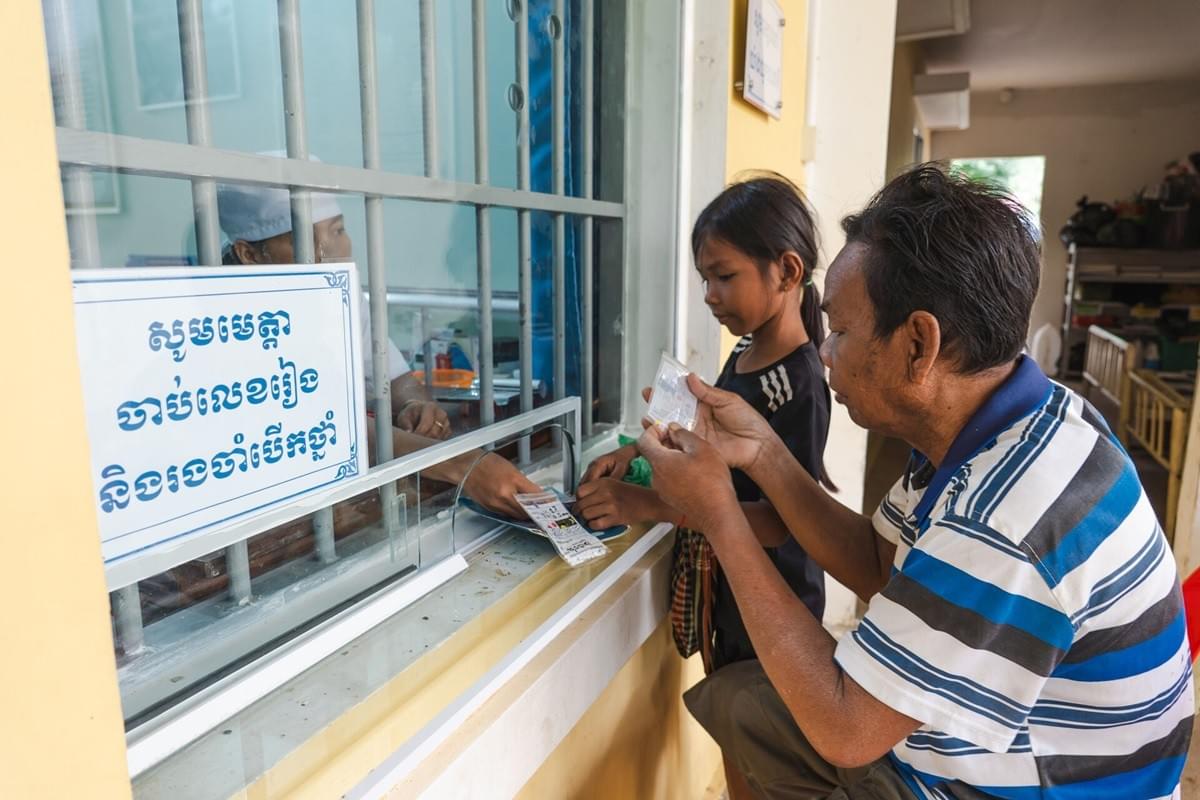
A girl helps her grandfather talk withhealth workers at the pharmacy of Kamping Pouy Health Centre, Cambodia.
WHO (2026)
On 16 November 2026, WHO released theresults of the Tracking Antimicrobial Resistance Country Self-assessment Survey (TrACSS). In 2026, 183 countries (94% of WHO Member States) completed the survey. TrACSS was established in 2016 and is developed by FAO, UNEP, WHO and WOAH.
The biggest gap is testing. Only 36% ofcountries have a national reference laboratory equipped to test the selected bacteria and fungi. The global target is for 80% of countries to have comprehensive bacterial and fungal resistance testing capacity by 2030. In addition, 63% of countries have guidelines on appropriate antimicrobial use. Just over half have systems to monitor national antibiotic use and track AMR.
WHO Director-General Dr Tedros AdhanomGhebreyesus said: “But an unfulfilled plan helps no one.” He called on all countries to put their plans into action. He asked them to invest in infection
prevention, surveillance, equitable access to essential antimicrobials, and quality diagnostics. He also noted that every infection prevented means fewer antimicrobials are needed.
To support countries, WHO released twonew tools under the AMR Diagnostic Initiative: a prioritized catalogue of diagnostic tests, and step-by-step methods to help clinical laboratories diagnose bacterial and fungal infections.
The news came just before World AMRAwareness Week, which runs from 18 to 24 November 2026 under the theme “One Health, one action: Prevent AMR now.” The theme reminds us that governments, health professionals, veterinarians, environmental experts, farmers, researchers and communities all share the responsibility to prevent AMR.
More information:
WHO, 16 Nov 2026: https://www.who.int/news/item/16-11-2026-more-countries-have-antimicrobial-resistance-plans-but-patients-still-lack-testing-and-treatment
WHO - World AMR Awareness Week 2026: https://www.who.int/campaigns/world-amr-awareness-week/world-amr-awareness-week-2026
Update 18 Nov 2026